The Role of Resume Optimization in AI-Driven Hiring

The hiring process has evolved significantly over the past few years. What was once a recruiter-driven process supported primarily by manual resume reviews and face-to-face interviews has become increasingly technology-enabled. Organizations are adopting artificial intelligence to manage growing application volumes, accelerate hiring decisions, and improve recruitment consistency. As a result, the resume has taken on an even more important role in the hiring journey.
For candidates, a resume is often the first opportunity to demonstrate professional experience, technical expertise, and career achievements. For recruiters, it serves as the starting point for identifying candidates who align with business requirements. In today's AI-driven hiring landscape, resume optimization is no longer about simply creating an attractive document. It is about presenting information in a clear, structured, and relevant manner that supports both human recruiters and intelligent hiring technologies.
Modern AI-powered hiring platforms help organizations streamline recruitment by automating candidate screening, improving workflow efficiency, and enabling more informed hiring decisions. At the same time, candidates benefit from structured hiring processes where their qualifications can be evaluated consistently against role requirements. Understanding the role of resume optimization in this evolving environment helps both recruiters and candidates achieve better hiring outcomes.
Why Resume Optimization Has Become More Important
Organizations today receive significantly more applications than they did just a few years ago. Enterprise hiring teams often manage hundreds or even thousands of resumes for a single position. Reviewing every application manually is both time-consuming and operationally challenging.
To improve efficiency, many organizations now use AI candidate screening and recruitment automation technologies to organize and prioritize applications. These systems help recruiters identify candidates whose qualifications closely match the requirements of a role, enabling faster and more consistent hiring decisions.
This does not mean resumes are reviewed only by technology. Human recruiters continue to play a central role in evaluating candidates, conducting interviews, and making final hiring decisions. However, resumes that are well-structured, relevant, and aligned with the job description are easier for both recruiters and AI-powered hiring platforms to understand.
Resume optimization therefore benefits both sides of the hiring process. Candidates present their experience more effectively, while recruiters spend less time navigating incomplete, inconsistent, or poorly organized applications.
Resume Optimization Is About Clarity, Not Complexity
A common misconception is that resume optimization simply involves adding as many keywords as possible. In reality, modern hiring technologies have evolved beyond simple keyword matching. Today's AI-powered recruitment platforms evaluate resumes using contextual information, work experience, technical skills, certifications, and role relevance.
An optimized resume focuses on clarity rather than complexity. Clearly defined work experience, measurable achievements, relevant technical skills, and logical formatting help recruiters quickly understand a candidate's professional background.
Candidates should avoid unnecessary design elements, excessive graphics, or complicated layouts that can make resumes difficult to interpret. Instead, a clean and organized structure allows both AI-powered systems and recruiters to process information more efficiently.
For recruiters, standardized resumes also improve evaluation consistency, making it easier to compare candidates objectively across larger applicant pools.
Aligning Experience with Job Requirements
One of the most valuable aspects of resume optimization is ensuring that professional experience aligns with the position being applied for.
Many candidates use the same resume for every application regardless of the role. While this approach saves time, it often reduces the relevance of the application. Organizations increasingly look for candidates whose experience directly reflects the responsibilities and skills required for the position.
Resume optimization encourages candidates to highlight projects, achievements, technologies, and responsibilities that best match each opportunity. Rather than changing professional history, candidates simply organize their experience in a way that demonstrates stronger alignment with the role.
For recruiters, this alignment simplifies candidate evaluation and helps hiring teams identify relevant experience more efficiently.
Supporting AI-Driven Candidate Screening
Artificial intelligence has become an important component of modern recruitment workflows. Organizations use AI to support resume screening, candidate matching, interview scheduling, and recruitment automation.
When resumes are well-structured and relevant, AI-powered hiring systems can process information more accurately and present recruiters with stronger candidate recommendations. This enables hiring teams to focus more on meaningful candidate engagement rather than administrative review tasks.
Importantly, AI does not replace recruiter expertise. Instead, it supports hiring teams by improving efficiency and organizing candidate information in a structured manner.
Candidates should therefore view resume optimization as preparation for an increasingly digital recruitment process rather than an attempt to beat an algorithm. The objective is to communicate experience clearly so that both technology and recruiters can understand professional qualifications effectively.
The Connection Between Resume Optimization and Candidate Experience
Resume optimization also contributes to a better candidate experience.
A relevant and clearly written resume increases the likelihood of being shortlisted for suitable opportunities. It also helps recruiters understand candidate strengths more quickly, enabling faster progression through hiring stages.
As organizations adopt AI-powered hiring, candidates increasingly interact with structured recruitment workflows that include digital applications, automated communication, and AI interviews. Understanding how these technologies work helps candidates navigate the hiring journey with greater confidence. Those interested in learning more about this evolving recruitment approach can explore our guide on AI Interviews to understand how intelligent interview technologies are reshaping candidate evaluation.
A smoother application experience benefits everyone involved. Candidates receive more relevant opportunities, while recruiters spend less time resolving inconsistencies or requesting missing information.
Helping Recruiters Improve Hiring Efficiency
Resume optimization is not only valuable for candidates. It also supports recruiters by improving overall recruitment operations.
Recruiters often work under significant time constraints, balancing multiple vacancies while managing candidate communication and hiring coordination. Well-optimized resumes reduce the effort required to interpret candidate information and improve the consistency of shortlisting decisions.
Combined with AI recruitment automation, structured resumes help create more efficient hiring workflows. Recruiters can quickly identify candidates who align with business requirements while spending more time on interviews, relationship-building, and strategic hiring initiatives.
For enterprises managing high-volume recruitment, these efficiencies become even more valuable, enabling hiring teams to scale recruitment without compromising candidate quality.
Resume Optimization in Enterprise Hiring
Enterprise organizations face unique hiring challenges due to the volume and complexity of recruitment activities. Hiring may span multiple business units, locations, and technical disciplines simultaneously.
In these environments, standardized resume formats and AI-powered recruitment technologies help improve collaboration across recruitment teams.
Structured resumes allow recruiters and hiring managers to review candidate information more consistently, while AI hiring platforms organize applications according to predefined hiring requirements.
This combination of human expertise and intelligent technology creates a recruitment process that is both scalable and transparent. Candidates benefit from consistent evaluation, and organizations improve hiring speed without sacrificing quality.
How vhAIre Supports Modern Hiring
As AI continues to reshape recruitment, organizations need hiring platforms that simplify recruitment while enhancing both recruiter productivity and candidate experience.
The vhAIre AI hiring platform supports modern hiring through intelligent AI candidate screening, AI interview automation, and AI recruitment automation. By streamlining repetitive hiring tasks and enabling structured recruitment workflows, vhAIre helps organizations identify qualified candidates faster while maintaining a fair and consistent hiring process.
For candidates, this creates a more transparent hiring journey where applications are evaluated against role requirements in a structured manner. For recruiters, it reduces administrative effort and supports more informed hiring decisions through intelligent automation.
Rather than replacing human judgment, vhAIre enables recruiters to focus on meaningful candidate interactions while technology manages repetitive operational processes.
Looking Ahead
The future of hiring will continue to combine human expertise with intelligent technology. Resume optimization will remain an essential part of this evolution because it improves communication between candidates, recruiters, and AI-powered hiring platforms.
Candidates who understand how modern recruitment works are better positioned to present their experience effectively and navigate increasingly digital hiring processes. Recruiters, meanwhile, benefit from clearer candidate information, faster screening, and more consistent evaluation.
As organizations continue investing in AI-driven recruitment, resume optimization becomes less about formatting and more about creating meaningful connections between talent and opportunity.
Conclusion
Resume optimization plays a critical role in AI-driven hiring because it strengthens communication across every stage of the recruitment process. Well-structured resumes help candidates present their experience more effectively while enabling recruiters to make faster and better-informed hiring decisions.
Supported by AI-powered hiring technologies, modern recruitment has become more efficient, scalable, and data-driven without losing the importance of human expertise. Organizations gain the ability to manage high-volume hiring more effectively, while candidates benefit from clearer, more transparent evaluation processes.
As AI continues to transform recruitment, understanding the role of resume optimization will help both businesses and candidates adapt to the future of hiring with greater confidence and success.
Recent Blogs

How AI Is Transforming Candidate Experience
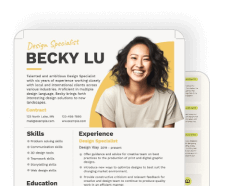
The candidate experience has become an increasingly important part of modern recruitment. As organizations compete for skilled professionals, the hiring process is no longer viewed simply as a way to fill open positions. Every interaction a candidate has with an organization—from submitting an application to completing interviews and receiving updates—can influence how they perceive the employer. A complicated, slow, or inconsistent hiring process can cause qualified candidates to disengage, while a structured and responsive experience can strengthen employer reputation and improve hiring outcomes.
Read More
AI Interviews: Redefining Candidate Evaluation in Modern Hiring
The hiring landscape is undergoing a significant transformation as artificial intelligence becomes an increasingly important part of recruitment processes. Organizations across industries are adopting intelligent technologies to streamline hiring, improve efficiency, and make more informed decisions. Among these innovations, AI interviews have emerged as one of the most influential developments, changing how candidates are evaluated and how hiring teams identify the right talent.
Read More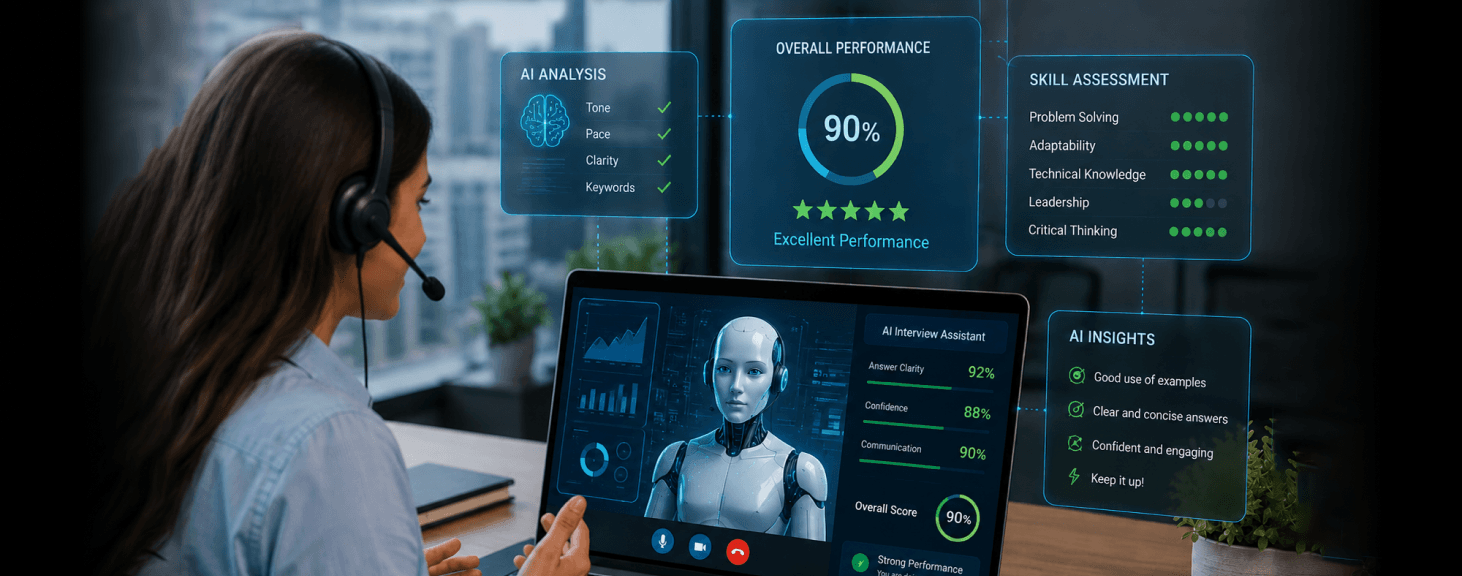
Interview Preparation Strategies for AI-Driven Hiring
The recruitment landscape is evolving rapidly as organizations adopt artificial intelligence to streamline hiring operations and improve decision-making. From resume screening and interview scheduling to candidate evaluation and communication, AI-driven hiring processes are transforming how companies identify and engage talent. For candidates, this shift has created a new interview environment where preparation requires more than just technical knowledge and confidence. Understanding how AI-driven hiring works has become equally important.
Read More
Streamlining the Candidate Journey with AI-Powered Hiring
The candidate journey has become a defining factor in modern recruitment. In a competitive talent landscape, candidates expect speed, transparency, and consistency at every stage of the hiring process. However, traditional recruitment workflows often fall short, creating friction through delayed responses, manual screening, and inconsistent interview experiences.
Read More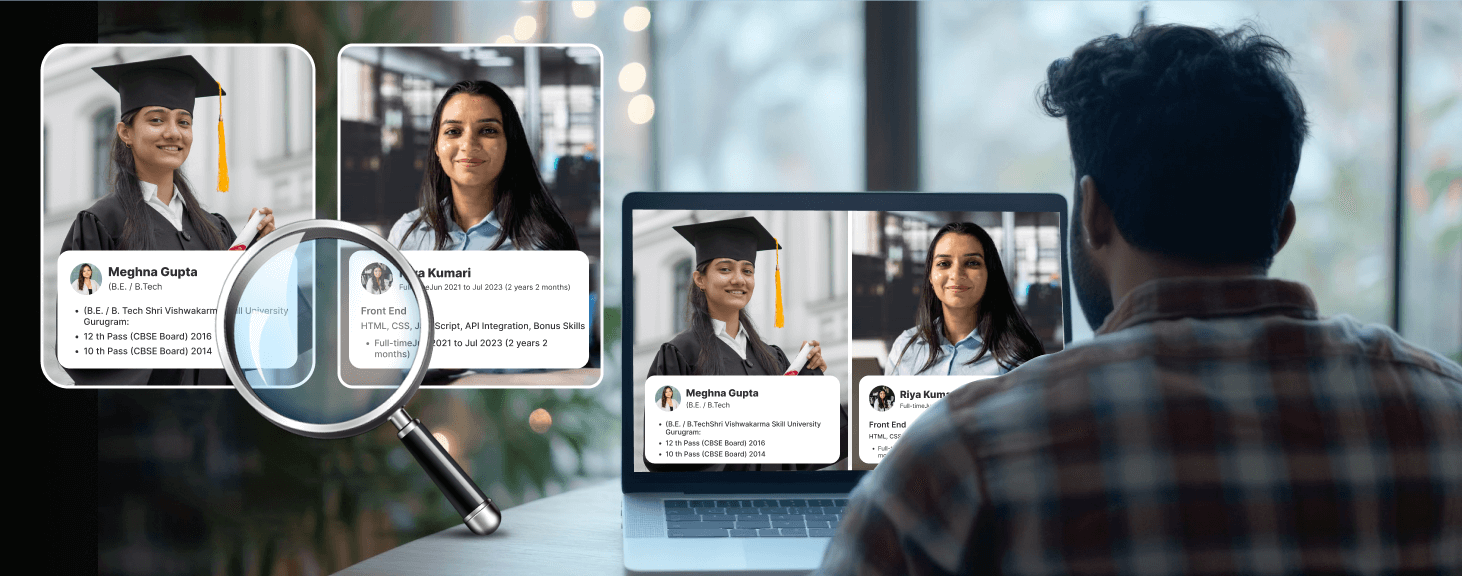
Skills vs. Degrees: What Employers Are Really Looking For
For years, job seekers believed that earning a degree was the ultimate ticket to career success. A strong academic background was considered the baseline requirement for most jobs. But the hiring landscape has changed drastically. Today, employers are no longer evaluating candidates only based on what they studied—they’re focusing on **what candidates can actually do**. Thanks to the global demand for talent, rapid technology adoption and the rise of AI-driven recruitment tools, **skills are now becoming the new currency of hiring**. Degrees still hold value, but they aren't the whole story anymore. So what matters most in 2025? And how can candidates position themselves better? Let’s break it down.
Read More
From Application to Offer: How Candidates Can Take Control of Their Journey in 2025
Landing a job in 2025 looks very different than it did just a few years ago. Artificial Intelligence (AI), digital hiring platforms, and evolving workplace expectations are reshaping the candidate experience. But while the process may feel overwhelming, the truth is this: candidates have more control over their journey than ever before. From crafting the right application to negotiating an offer, every step is an opportunity to stand out. Here’s how you can take control of your career journey from application to offer in an AI-driven world.
Read More
The Power of Continuous Learning: How Small Certifications Can Make a Big Impact
In today’s job market, learning doesn’t end with a degree. Employers are increasingly looking for candidates who show they can keep pace with change and one of the best ways to prove that is through continuous learning. The good news? You don’t need another four-year degree to impress recruiters. Small certifications and micro-credentials can make a big impact by showing adaptability, curiosity, and commitment to growth. In fact, these signals often make the difference between getting noticed or overlooked in an AI-driven hiring world.
Read More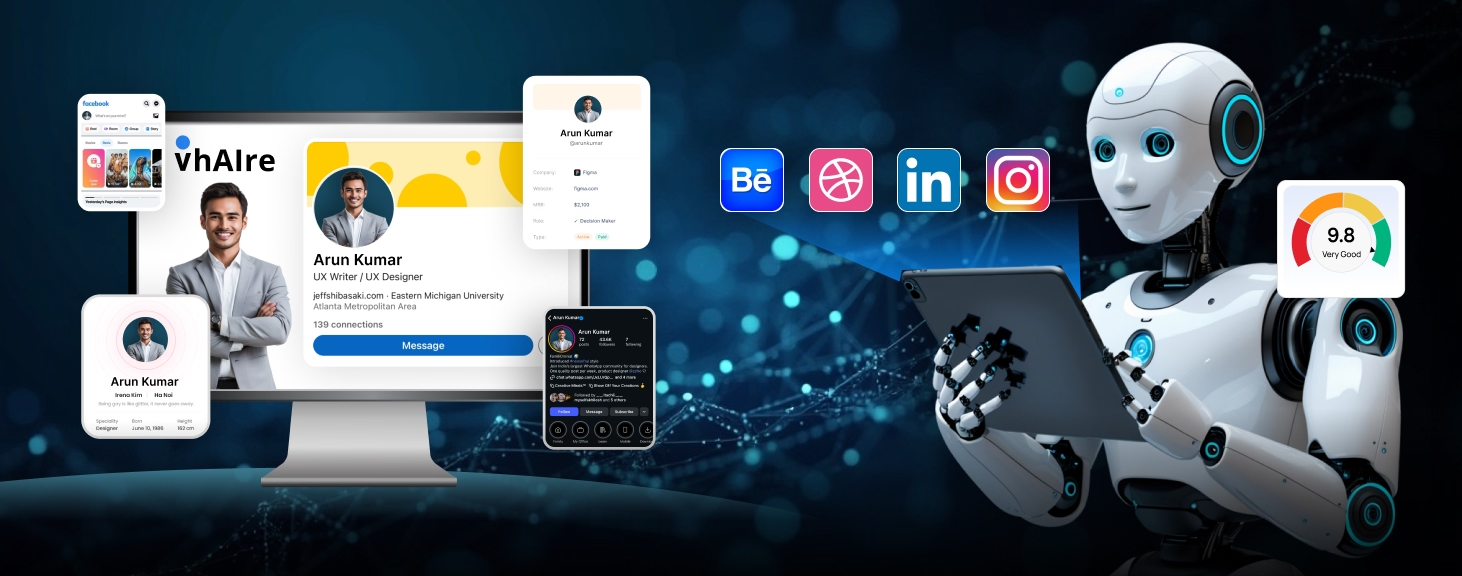
Your Digital Footprint Matters: What AI Recruiters See Before Meeting You
In today’s hiring landscape, your resume isn’t the only thing recruiters see. Before they ever speak to you, Artificial Intelligence (AI) systems and the recruiters who rely on them are already scanning your digital footprint. Your LinkedIn activity, online portfolios, certifications and even the way you present yourself on social platforms can all influence how you’re perceived. In fact, your digital presence has become your first impression often before you get a chance to speak for yourself. So what exactly do AI recruiters see—and how can you take control of the narrative?
Read More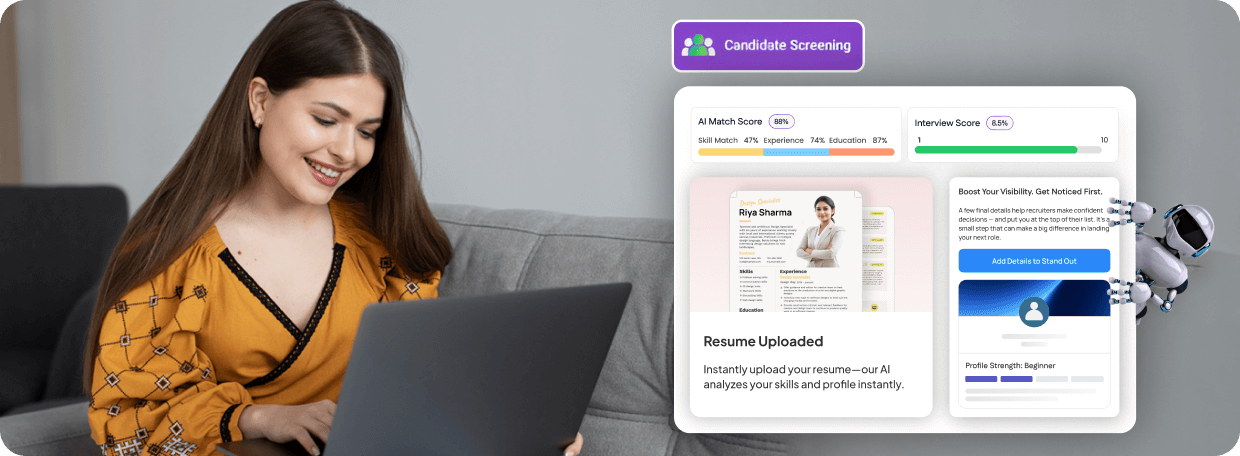
How AI Is Changing the Job Hunt—And How You Can Stay Ahead
Artificial Intelligence (AI) has revolutionized industries ranging from healthcare to finance—but one area where its impact is often underestimated is recruitment. For candidates, the hiring process now looks vastly different compared to even five years ago. From AI-driven resume screeners to predictive candidate matching and automated interview prep tools, AI is quietly shaping the job hunt at every stage. So, what does this mean for you as a candidate? And how can you adapt to not just survive—but thrive—in this AI-powered hiring era?
Read More