AI Interviews: Redefining Candidate Evaluation in Modern Hiring

The hiring landscape is undergoing a significant transformation as artificial intelligence becomes an increasingly important part of recruitment processes. Organizations across industries are adopting intelligent technologies to streamline hiring, improve efficiency, and make more informed decisions. Among these innovations, AI interviews have emerged as one of the most influential developments, changing how candidates are evaluated and how hiring teams identify the right talent.
For many job seekers, the idea of being interviewed by an AI-powered system may seem unfamiliar or even intimidating. Traditional interviews have long relied on direct interactions between candidates and recruiters, where communication, experience, and personal impressions play a central role in decision-making. However, modern recruitment demands greater consistency, scalability, and speed, leading organizations to explore new approaches to candidate evaluation.
AI interviews are not designed to replace human judgment. Instead, they support hiring teams by creating structured evaluation processes, improving efficiency, and providing data-driven insights that help recruiters make better hiring decisions. As AI continues to shape the future of recruitment, understanding how these interviews work can help candidates navigate modern hiring environments with greater confidence.
The Evolution of Candidate Evaluation
Candidate evaluation has traditionally been a highly manual process. Recruiters review resumes, conduct screening calls, schedule interviews, and gather feedback from hiring managers before making decisions. While this approach has worked for decades, it often presents challenges related to consistency, scalability, and time management.
As organizations grow and application volumes increase, recruiters face greater pressure to identify qualified candidates quickly without compromising hiring quality. Manual processes can become time-consuming, especially when hiring for multiple positions or managing high-volume recruitment campaigns.
The introduction of AI-powered hiring technologies has enabled organizations to address these challenges more effectively. AI systems can support candidate evaluation by analyzing information consistently, reducing administrative burdens, and helping recruiters focus on strategic decision-making. AI interviews are one of the most visible examples of this transformation, providing a structured framework for evaluating candidates in a modern hiring environment.
What Are AI Interviews?
AI interviews are technology-enabled interview experiences that use artificial intelligence to support candidate evaluation. These interviews may include automated question delivery, conversational AI interactions, structured response analysis, and intelligent workflow management.
Depending on the organization and hiring platform, AI interviews can take different forms. Some involve candidates responding to pre-recorded questions through video interviews, while others use conversational AI technologies that simulate real-time interview interactions. These systems are designed to collect candidate responses in a structured manner and provide recruiters with valuable insights for decision-making.
Unlike traditional interviews that may vary significantly between interviewers, AI interviews help create a more standardized evaluation process. Every candidate receives the same core questions and is evaluated within a consistent framework, helping organizations improve fairness and objectivity.
Why Organizations Are Adopting AI Interviews
The increasing adoption of AI interviews is closely linked to changing recruitment demands. Modern organizations are often required to hire at scale while maintaining speed, consistency, and quality throughout the hiring process.
One of the primary advantages of AI interviews is efficiency. Recruiters can evaluate larger candidate pools without significantly increasing workload. Automated interview workflows reduce scheduling complexities and allow candidates to complete interviews at convenient times, creating a more flexible experience for both parties.
AI interviews also support consistency in candidate evaluation. Traditional interviews can be influenced by varying interview styles, personal biases, or inconsistent questioning. Structured AI interview processes help ensure that candidates are assessed using the same evaluation criteria, improving fairness across the recruitment process.
For enterprises managing large-scale hiring initiatives, AI interviews provide a scalable solution that supports workforce growth without compromising evaluation quality.
How AI Interviews Enhance Candidate Evaluation
The role of AI interviews extends beyond simply asking questions. Modern AI recruitment platforms use structured workflows to gather insights that help recruiters better understand candidate suitability for specific roles.
AI-powered systems can analyze interview responses, identify relevant competencies, and highlight information that aligns with job requirements. This enables recruiters to review candidates more efficiently and focus on meaningful discussions during later interview stages.
By supporting AI candidate screening and structured evaluation processes, AI interviews contribute to a more data-driven hiring environment. Recruiters gain access to organized insights while candidates benefit from a standardized evaluation experience.
Importantly, these technologies are not making final hiring decisions independently. Human recruiters and hiring managers remain responsible for evaluating overall fit, cultural alignment, and long-term potential. AI serves as a support system that enhances the decision-making process rather than replacing it.
Addressing Common Misconceptions About AI Interviews
Despite their growing adoption, AI interviews are often misunderstood. One common misconception is that candidates are being judged entirely by machines without any human involvement.
In reality, AI interviews are typically one component of a broader recruitment process. Human recruiters continue to review applications, assess interview outcomes, and make hiring decisions. AI technologies help organize information and provide structured insights, but they do not eliminate the human element from recruitment.
Another misconception is that AI interviews focus only on keywords or scripted responses. Modern AI recruitment technologies are far more sophisticated. Organizations increasingly use these systems to improve consistency and efficiency rather than simply searching for specific phrases.
Candidates should view AI interviews as an extension of structured recruitment practices rather than a completely different form of hiring. The same principles that contribute to success in traditional interviews—clear communication, relevant experience, and thoughtful responses—remain important.
The Candidate Experience in AI Interviews
Candidate experience has become a critical priority for modern organizations, and AI interviews can play a positive role in enhancing that experience.
One of the most significant benefits is flexibility. Candidates can often complete AI interviews according to their schedules, reducing the logistical challenges associated with coordinating interview times across multiple stakeholders.
AI interviews also contribute to faster hiring processes. Because interviews can be conducted and reviewed more efficiently, candidates often experience shorter waiting periods and quicker progression through hiring stages.
Additionally, structured interview formats create greater transparency and consistency. Candidates know they are being evaluated using the same criteria as other applicants, helping build confidence in the fairness of the process.
For job seekers who are new to this format, understanding the fundamentals of Interview Preparation can help create a smoother experience and improve confidence throughout the hiring process.
AI Interviews and the Future of Recruitment
As recruitment continues to evolve, AI interviews are expected to become increasingly common across industries. Organizations are seeking ways to improve hiring efficiency while maintaining high standards of candidate evaluation, and AI technologies provide valuable support in achieving these goals.
Future advancements may further enhance interview experiences through improved conversational capabilities, deeper integration with recruitment workflows, and more sophisticated evaluation frameworks. However, the core objective will remain the same: helping organizations identify the right talent while creating a fair and efficient hiring process.
The future of recruitment is likely to involve closer collaboration between human expertise and intelligent technology. Recruiters will continue to play a vital role in relationship-building, decision-making, and candidate engagement, while AI systems provide the structure and insights needed to support scalable hiring.
For candidates, this means adapting to a recruitment environment where technology is increasingly integrated into hiring workflows. Understanding how AI interviews function and why organizations use them can provide a valuable advantage in navigating modern recruitment processes.
Preparing for a New Era of Candidate Evaluation
The growing adoption of AI interviews reflects a broader shift toward data-driven and technology-enabled hiring. Organizations are looking for ways to improve consistency, efficiency, and scalability, while candidates are increasingly interacting with digital recruitment experiences throughout their job search journeys.
Rather than viewing AI interviews as a challenge, candidates can see them as an opportunity to participate in a more structured and transparent evaluation process. By understanding the role of AI in recruitment and staying informed about evolving hiring practices, job seekers can approach interviews with greater confidence and clarity.
Conclusion
AI interviews are redefining candidate evaluation in modern hiring by introducing greater structure, consistency, and efficiency into the recruitment process. As organizations continue to adopt AI-powered hiring technologies, these interview formats are becoming an increasingly important part of talent acquisition strategies.
While technology plays a larger role in candidate evaluation, human decision-making remains at the center of successful hiring. AI interviews are designed to support recruiters, enhance candidate experiences, and create more scalable recruitment processes.
For candidates, understanding how AI interviews work is becoming an essential part of navigating today's hiring landscape. As the future of recruitment continues to evolve, those who embrace these changes and understand the technologies shaping modern hiring will be better positioned for long-term career success.

Recent Blogs
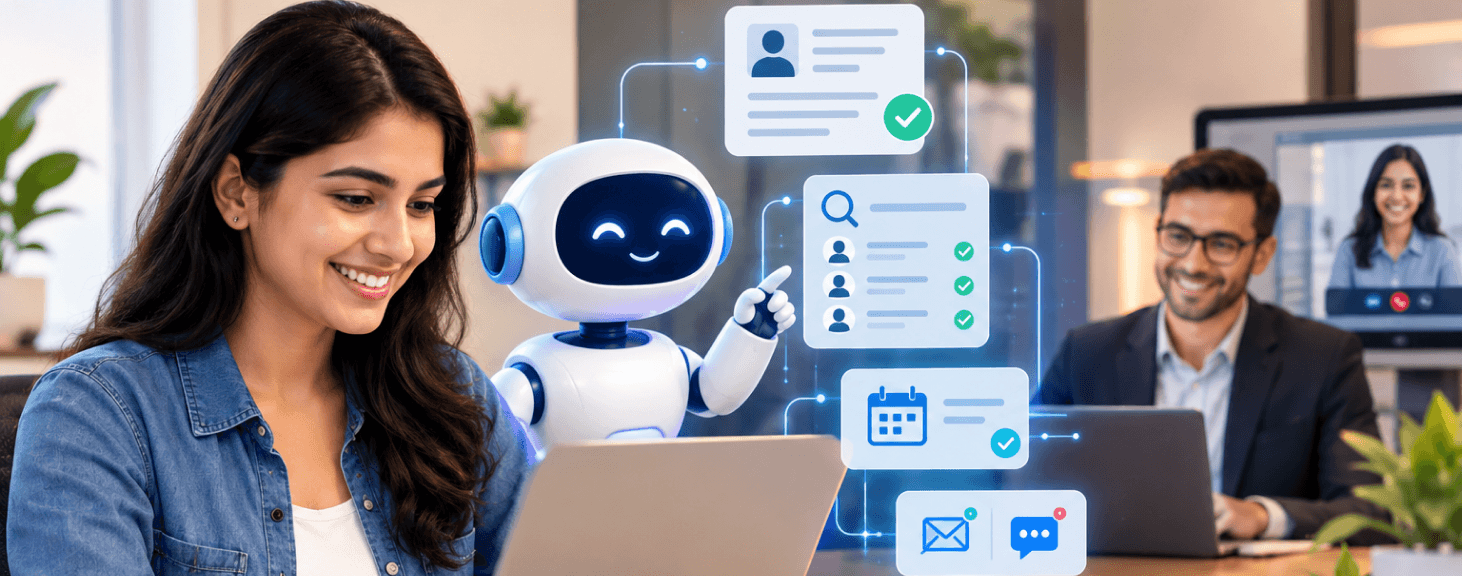
How AI Is Transforming Candidate Experience
The candidate experience has become an increasingly important part of modern recruitment. As organizations compete for skilled professionals, the hiring process is no longer viewed simply as a way to fill open positions. Every interaction a candidate has with an organization—from submitting an application to completing interviews and receiving updates—can influence how they perceive the employer. A complicated, slow, or inconsistent hiring process can cause qualified candidates to disengage, while a structured and responsive experience can strengthen employer reputation and improve hiring outcomes.
Read More
The Role of Resume Optimization in AI-Driven Hiring
The hiring process has evolved significantly over the past few years. What was once a recruiter-driven process supported primarily by manual resume reviews and face-to-face interviews has become increasingly technology-enabled. Organizations are adopting artificial intelligence to manage growing application volumes, accelerate hiring decisions, and improve recruitment consistency. As a result, the resume has taken on an even more important role in the hiring journey.
Read More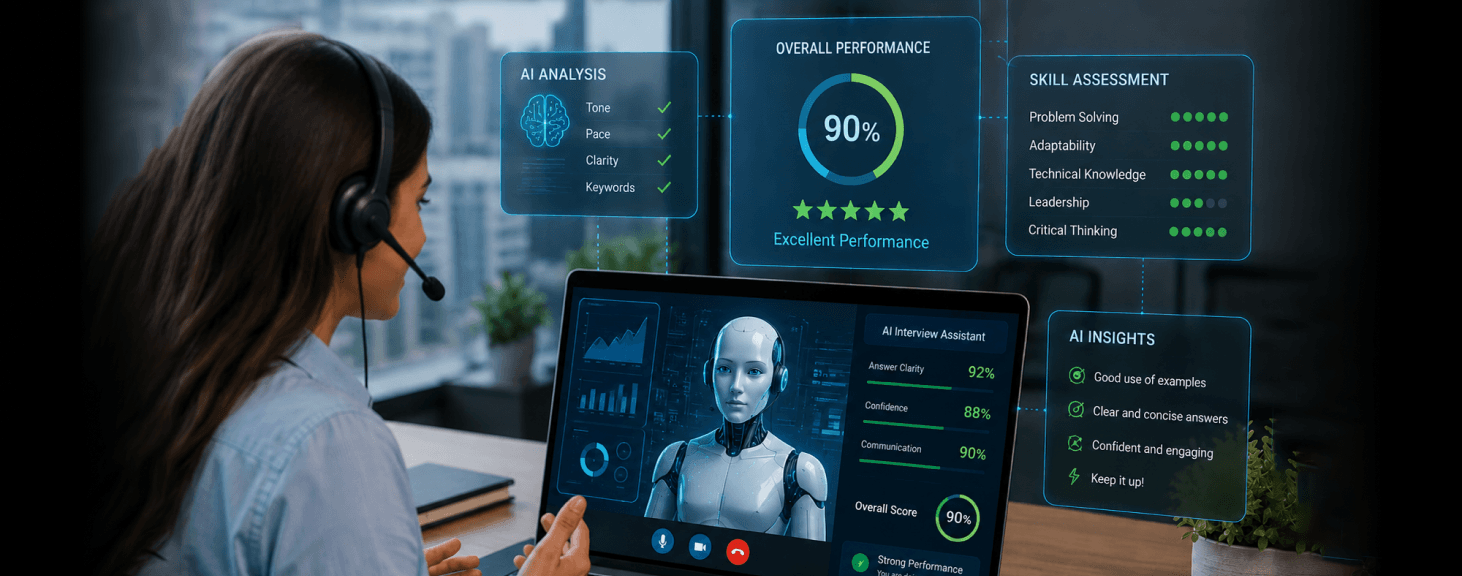
Interview Preparation Strategies for AI-Driven Hiring
The recruitment landscape is evolving rapidly as organizations adopt artificial intelligence to streamline hiring operations and improve decision-making. From resume screening and interview scheduling to candidate evaluation and communication, AI-driven hiring processes are transforming how companies identify and engage talent. For candidates, this shift has created a new interview environment where preparation requires more than just technical knowledge and confidence. Understanding how AI-driven hiring works has become equally important.
Read More
Streamlining the Candidate Journey with AI-Powered Hiring
The candidate journey has become a defining factor in modern recruitment. In a competitive talent landscape, candidates expect speed, transparency, and consistency at every stage of the hiring process. However, traditional recruitment workflows often fall short, creating friction through delayed responses, manual screening, and inconsistent interview experiences.
Read More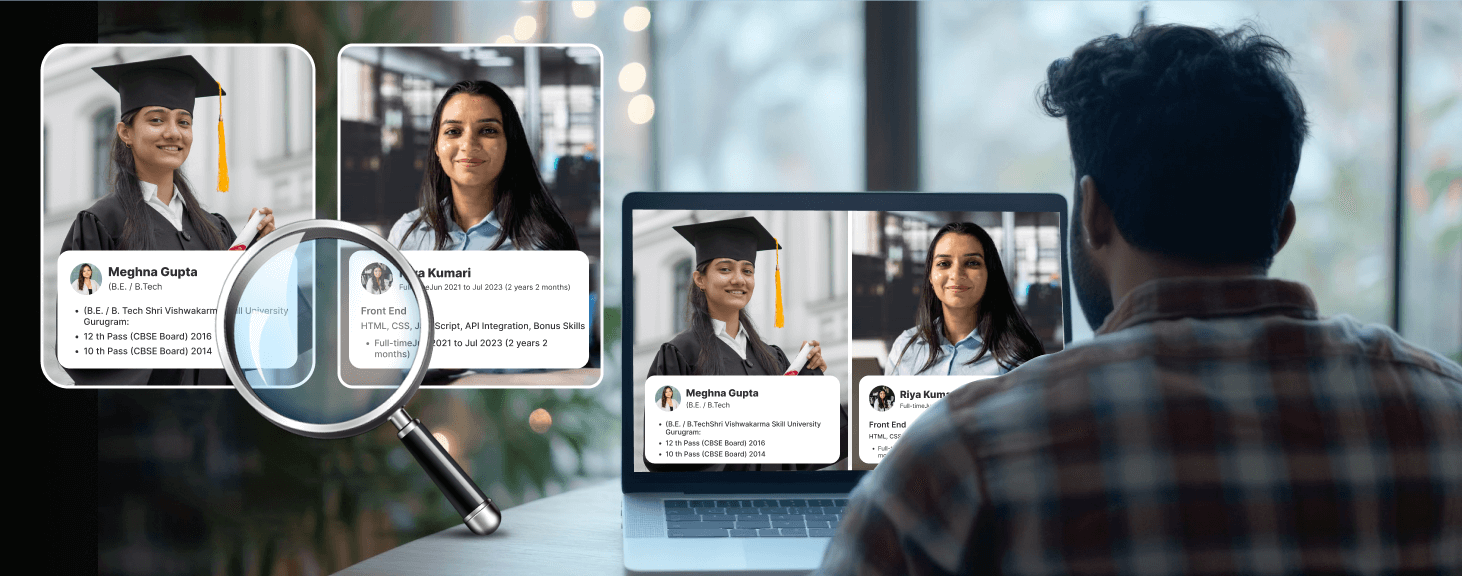
Skills vs. Degrees: What Employers Are Really Looking For
For years, job seekers believed that earning a degree was the ultimate ticket to career success. A strong academic background was considered the baseline requirement for most jobs. But the hiring landscape has changed drastically. Today, employers are no longer evaluating candidates only based on what they studied—they’re focusing on **what candidates can actually do**. Thanks to the global demand for talent, rapid technology adoption and the rise of AI-driven recruitment tools, **skills are now becoming the new currency of hiring**. Degrees still hold value, but they aren't the whole story anymore. So what matters most in 2025? And how can candidates position themselves better? Let’s break it down.
Read More
From Application to Offer: How Candidates Can Take Control of Their Journey in 2025
Landing a job in 2025 looks very different than it did just a few years ago. Artificial Intelligence (AI), digital hiring platforms, and evolving workplace expectations are reshaping the candidate experience. But while the process may feel overwhelming, the truth is this: candidates have more control over their journey than ever before. From crafting the right application to negotiating an offer, every step is an opportunity to stand out. Here’s how you can take control of your career journey from application to offer in an AI-driven world.
Read More
The Power of Continuous Learning: How Small Certifications Can Make a Big Impact
In today’s job market, learning doesn’t end with a degree. Employers are increasingly looking for candidates who show they can keep pace with change and one of the best ways to prove that is through continuous learning. The good news? You don’t need another four-year degree to impress recruiters. Small certifications and micro-credentials can make a big impact by showing adaptability, curiosity, and commitment to growth. In fact, these signals often make the difference between getting noticed or overlooked in an AI-driven hiring world.
Read More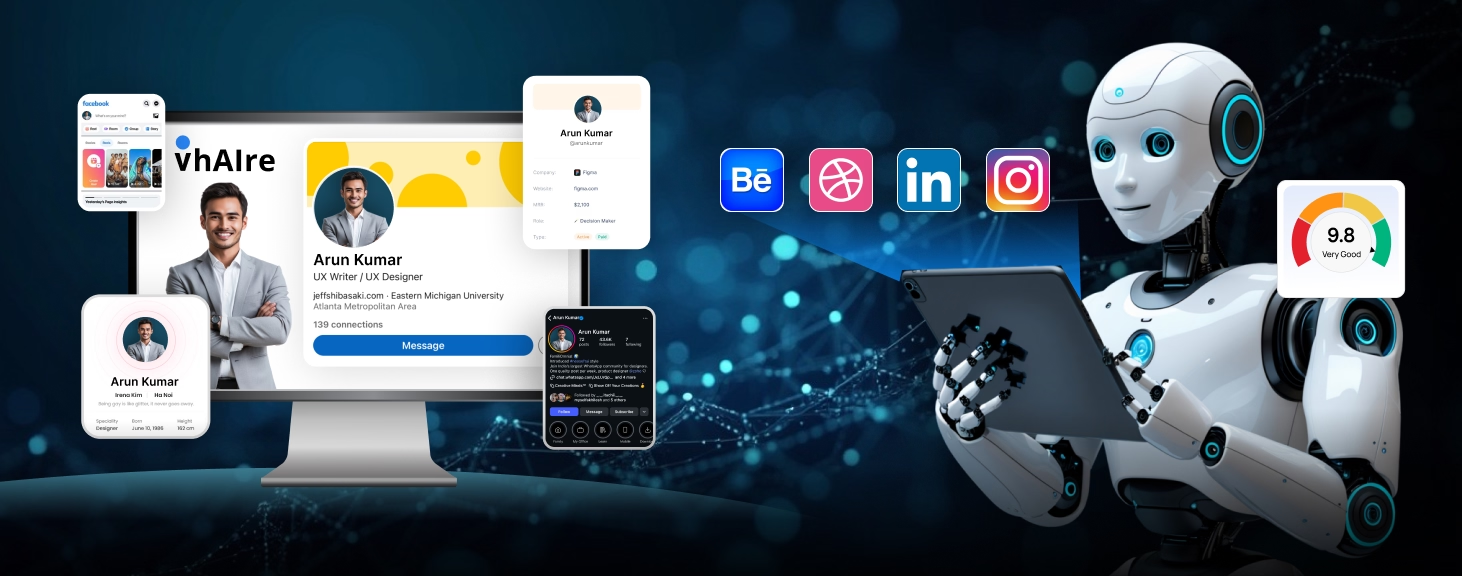
Your Digital Footprint Matters: What AI Recruiters See Before Meeting You
In today’s hiring landscape, your resume isn’t the only thing recruiters see. Before they ever speak to you, Artificial Intelligence (AI) systems and the recruiters who rely on them are already scanning your digital footprint. Your LinkedIn activity, online portfolios, certifications and even the way you present yourself on social platforms can all influence how you’re perceived. In fact, your digital presence has become your first impression often before you get a chance to speak for yourself. So what exactly do AI recruiters see—and how can you take control of the narrative?
Read More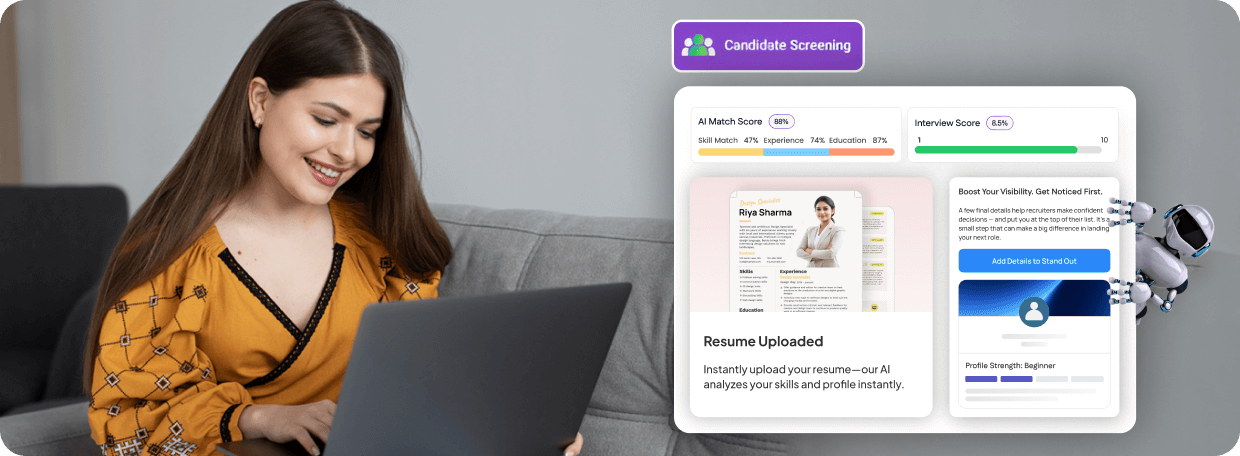
How AI Is Changing the Job Hunt—And How You Can Stay Ahead
Artificial Intelligence (AI) has revolutionized industries ranging from healthcare to finance—but one area where its impact is often underestimated is recruitment. For candidates, the hiring process now looks vastly different compared to even five years ago. From AI-driven resume screeners to predictive candidate matching and automated interview prep tools, AI is quietly shaping the job hunt at every stage. So, what does this mean for you as a candidate? And how can you adapt to not just survive—but thrive—in this AI-powered hiring era?
Read More