How AI Is Changing the Job Hunt—And How You Can Stay Ahead
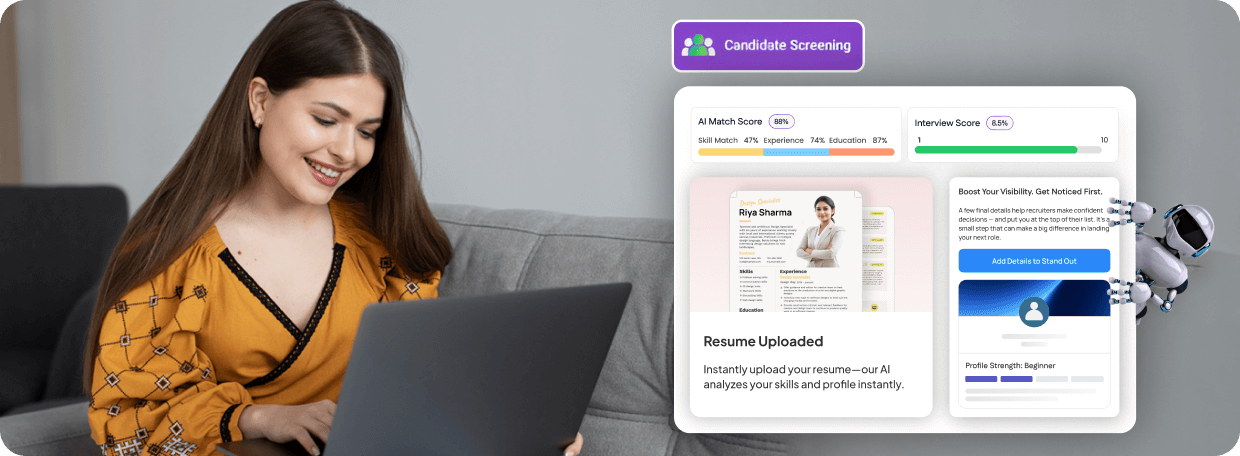
Artificial Intelligence (AI) has revolutionized industries ranging from healthcare to finance—but one area where its impact is often underestimated is recruitment. For candidates, the hiring process now looks vastly different compared to even five years ago. From AI-driven resume screeners to predictive candidate matching and automated interview prep tools, AI is quietly shaping the job hunt at every stage.
So, what does this mean for you as a candidate? And how can you adapt to not just survive—but thrive—in this AI-powered hiring era?
How AI Shapes Recruitment Today
- Resume Screening at Scale
Most large organizations now rely on Applicant Tracking Systems (ATS) powered by AI. These tools filter thousands of resumes in seconds, ranking them based on keyword relevance, formatting, and even predicted job fit. This means:
- A poorly formatted resume might never reach a human recruiter.
- Missing keywords from the job description could cost you the interview. Tip: Always tailor your resume to the role by mirroring the language in the job description.
- Smarter Role Matching
AI isn’t just about filtering—it’s about finding hidden matches. Modern hiring platforms analyze skills, experience, and even career trajectories to suggest roles candidates may not have considered.
- A candidate with project management experience in healthcare might be matched with opportunities in fintech.
- Transferable skills are increasingly recognized, broadening your career options.
- Interviews and Assessments
AI is also reshaping the interview stage:
- Video Interview Analysis: Some companies use AI to assess tone, language, and confidence in pre-recorded responses.
- Simulation Tests: AI-driven scenarios test real-world problem-solving.
How Candidates Can Stay Ahead
- Optimize Your Resume for AI
Use clear formatting with bullet points.
- Incorporate relevant keywords naturally.
- Avoid overloading with graphics—many ATS can’t parse them.
- Highlight Adaptability
Employers are seeking people who can grow with technology. Showcase experiences where you learned new tools, pivoted quickly or thrived in changing environments.
- One of the strongest ways to demonstrate adaptability is through certifications. Adding short, targeted certifications—whether in AI tools, project management, or industry-specific software—signals to employers that you’re committed to learning and staying relevant.
- Certifications don’t have to be lengthy or expensive—micro-credentials and online badges can be just as impactful.
- Highlight them on your resume and LinkedIn profile to show you’re proactively building future-ready skills.
- Examples include AI literacy programs, data analytics courses or certifications in emerging collaboration tools.
- Leverage AI for Your Job Hunt
Use AI tools to generate personalized cover letters.
- Practice interviews with AI-driven mock platforms.
- Get AI-based feedback on your resume before submitting.
- Build a Personal Brand Online
AI also scrapes the web for candidate signals. LinkedIn activity, portfolio updates, and thought leadership posts all boost your visibility.
The Human Factor Still Matters
While AI makes hiring more efficient, human qualities remain at the core of decision-making. Recruiters still value empathy, creativity, and collaboration. AI can highlight your profile—but your personality, values, and cultural fit are what win you the role.
The Future of AI in Hiring
Looking ahead, expect:
Hyper-personalized job recommendations powered by AI.
Continuous candidate profiles where AI updates your career trajectory dynamically.
AI-driven career coaching inside apps like vhAIre, helping candidates prepare smarter.
Final Thought
AI is not replacing candidates—it’s reshaping the hiring landscape. By understanding how it works, optimizing your presence and embracing AI as a partner, you can stay ahead of the curve. The candidates who thrive will be those who combine human strengths with AI fluency.
Recent Blogs
How AI Is Transforming Candidate Experience
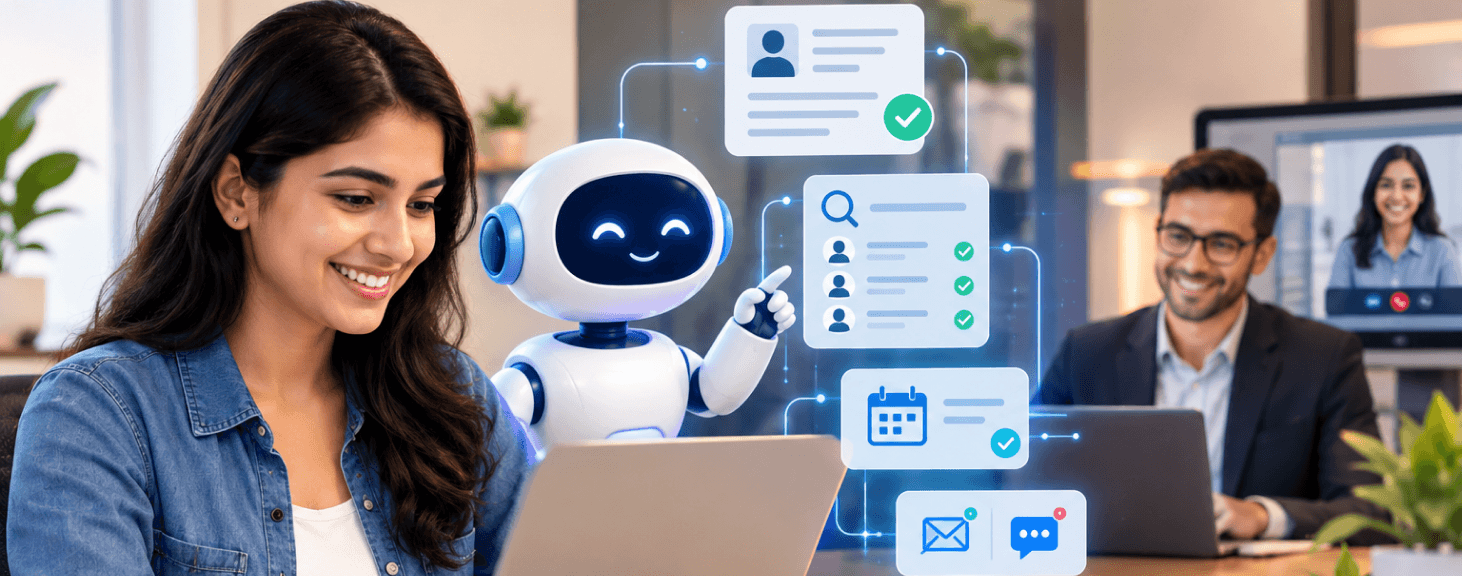
The candidate experience has become an increasingly important part of modern recruitment. As organizations compete for skilled professionals, the hiring process is no longer viewed simply as a way to fill open positions. Every interaction a candidate has with an organization—from submitting an application to completing interviews and receiving updates—can influence how they perceive the employer. A complicated, slow, or inconsistent hiring process can cause qualified candidates to disengage, while a structured and responsive experience can strengthen employer reputation and improve hiring outcomes.
Read More
The Role of Resume Optimization in AI-Driven Hiring
The hiring process has evolved significantly over the past few years. What was once a recruiter-driven process supported primarily by manual resume reviews and face-to-face interviews has become increasingly technology-enabled. Organizations are adopting artificial intelligence to manage growing application volumes, accelerate hiring decisions, and improve recruitment consistency. As a result, the resume has taken on an even more important role in the hiring journey.
Read More
AI Interviews: Redefining Candidate Evaluation in Modern Hiring
The hiring landscape is undergoing a significant transformation as artificial intelligence becomes an increasingly important part of recruitment processes. Organizations across industries are adopting intelligent technologies to streamline hiring, improve efficiency, and make more informed decisions. Among these innovations, AI interviews have emerged as one of the most influential developments, changing how candidates are evaluated and how hiring teams identify the right talent.
Read More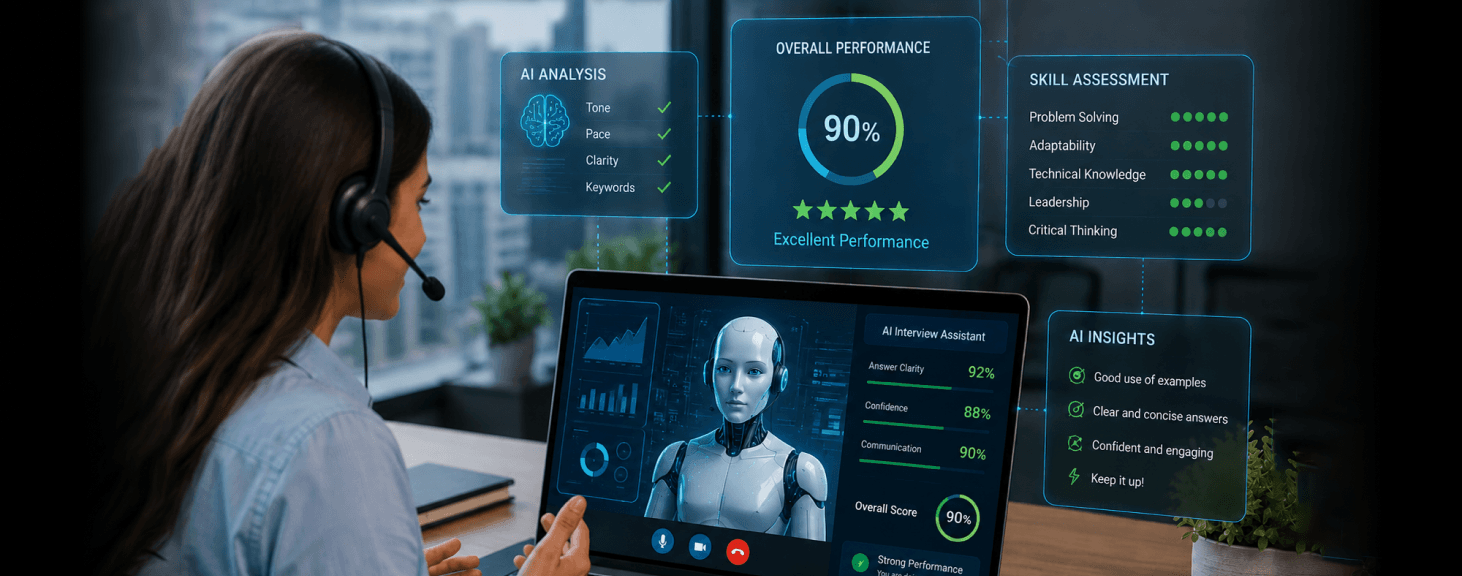
Interview Preparation Strategies for AI-Driven Hiring
The recruitment landscape is evolving rapidly as organizations adopt artificial intelligence to streamline hiring operations and improve decision-making. From resume screening and interview scheduling to candidate evaluation and communication, AI-driven hiring processes are transforming how companies identify and engage talent. For candidates, this shift has created a new interview environment where preparation requires more than just technical knowledge and confidence. Understanding how AI-driven hiring works has become equally important.
Read More
Streamlining the Candidate Journey with AI-Powered Hiring
The candidate journey has become a defining factor in modern recruitment. In a competitive talent landscape, candidates expect speed, transparency, and consistency at every stage of the hiring process. However, traditional recruitment workflows often fall short, creating friction through delayed responses, manual screening, and inconsistent interview experiences.
Read More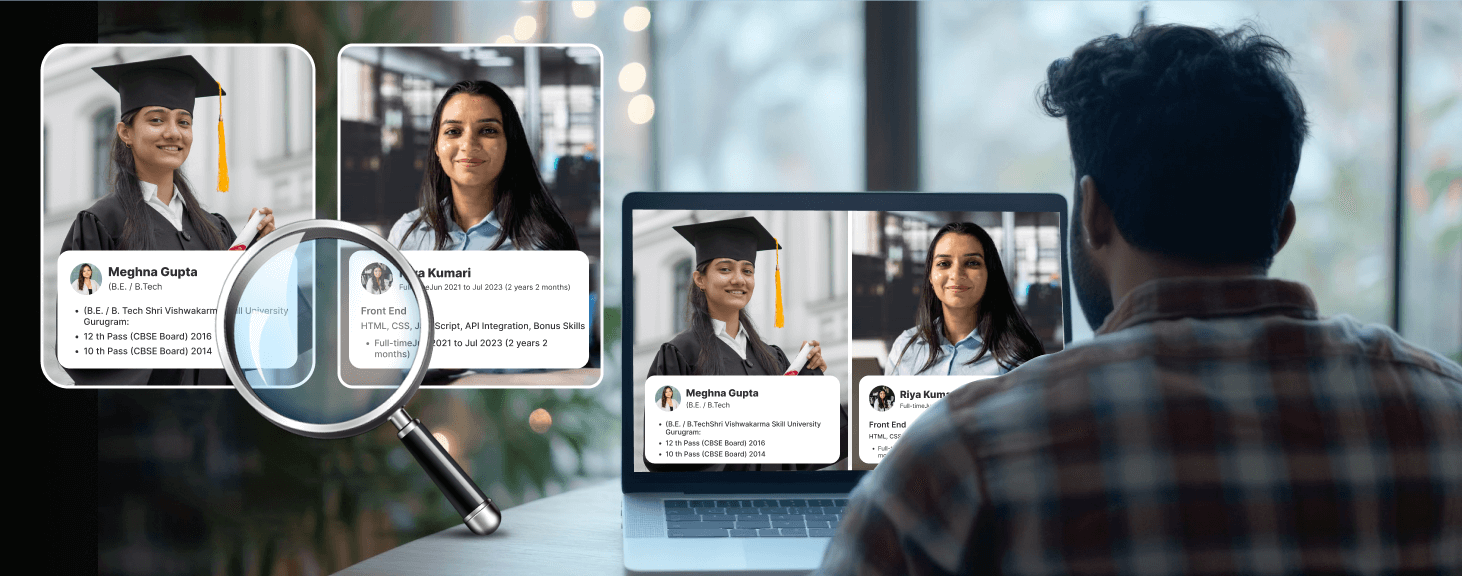
Skills vs. Degrees: What Employers Are Really Looking For
For years, job seekers believed that earning a degree was the ultimate ticket to career success. A strong academic background was considered the baseline requirement for most jobs. But the hiring landscape has changed drastically. Today, employers are no longer evaluating candidates only based on what they studied—they’re focusing on **what candidates can actually do**. Thanks to the global demand for talent, rapid technology adoption and the rise of AI-driven recruitment tools, **skills are now becoming the new currency of hiring**. Degrees still hold value, but they aren't the whole story anymore. So what matters most in 2025? And how can candidates position themselves better? Let’s break it down.
Read More
From Application to Offer: How Candidates Can Take Control of Their Journey in 2025
Landing a job in 2025 looks very different than it did just a few years ago. Artificial Intelligence (AI), digital hiring platforms, and evolving workplace expectations are reshaping the candidate experience. But while the process may feel overwhelming, the truth is this: candidates have more control over their journey than ever before. From crafting the right application to negotiating an offer, every step is an opportunity to stand out. Here’s how you can take control of your career journey from application to offer in an AI-driven world.
Read More
The Power of Continuous Learning: How Small Certifications Can Make a Big Impact
In today’s job market, learning doesn’t end with a degree. Employers are increasingly looking for candidates who show they can keep pace with change and one of the best ways to prove that is through continuous learning. The good news? You don’t need another four-year degree to impress recruiters. Small certifications and micro-credentials can make a big impact by showing adaptability, curiosity, and commitment to growth. In fact, these signals often make the difference between getting noticed or overlooked in an AI-driven hiring world.
Read More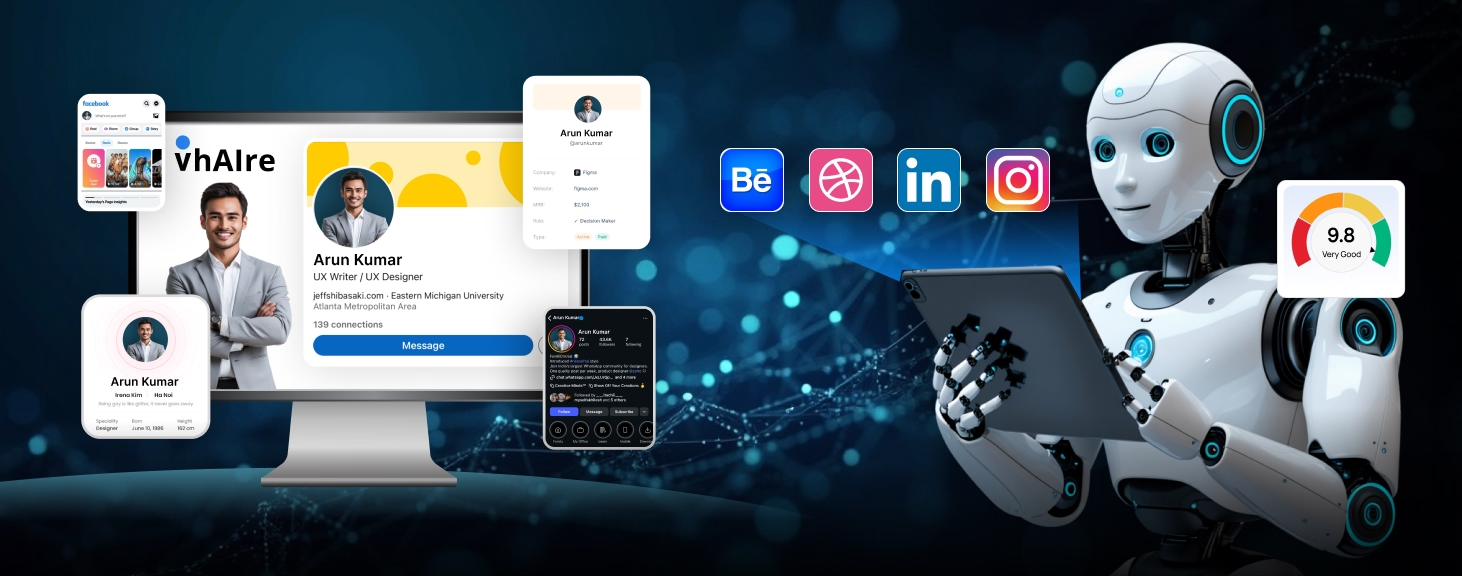
Your Digital Footprint Matters: What AI Recruiters See Before Meeting You
In today’s hiring landscape, your resume isn’t the only thing recruiters see. Before they ever speak to you, Artificial Intelligence (AI) systems and the recruiters who rely on them are already scanning your digital footprint. Your LinkedIn activity, online portfolios, certifications and even the way you present yourself on social platforms can all influence how you’re perceived. In fact, your digital presence has become your first impression often before you get a chance to speak for yourself. So what exactly do AI recruiters see—and how can you take control of the narrative?
Read More