Interview Preparation Strategies for AI-Driven Hiring
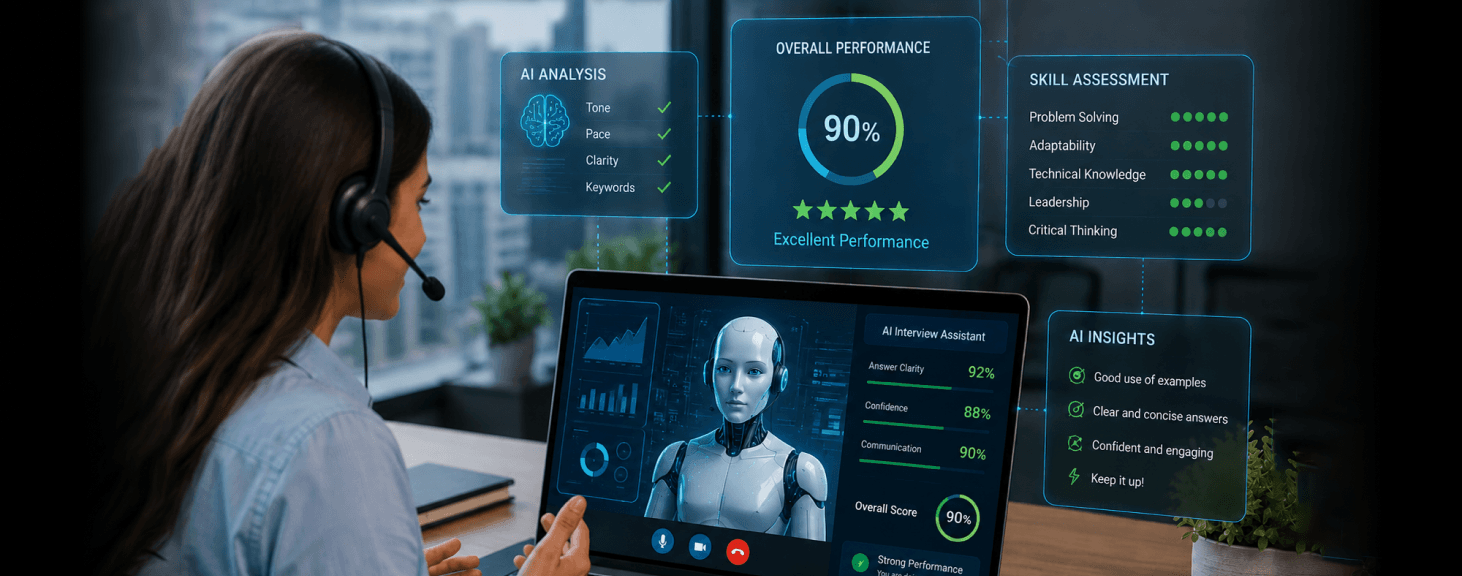
The recruitment landscape is evolving rapidly as organizations adopt artificial intelligence to streamline hiring operations and improve decision-making. From resume screening and interview scheduling to candidate evaluation and communication, AI-driven hiring processes are transforming how companies identify and engage talent. For candidates, this shift has created a new interview environment where preparation requires more than just technical knowledge and confidence. Understanding how AI-driven hiring works has become equally important.
Modern recruiters are increasingly relying on AI recruitment platforms and automation tools to manage growing application volumes and accelerate hiring timelines. As a result, candidates are now interacting with intelligent hiring systems before they even speak with a recruiter. This evolution has made interview preparation more strategic, requiring candidates to optimize not only their responses but also how they present their experience, communication, and professional profile throughout the hiring process.
Preparing effectively for AI-driven hiring does not mean preparing for machines instead of people. Rather, it means understanding how technology supports recruitment decisions and adapting to a hiring environment where data, consistency, and structured evaluation play a larger role. Candidates who understand these processes are often better positioned to navigate interviews confidently and improve their overall hiring outcomes.
Understanding the Shift Toward AI-Driven Hiring
Traditional recruitment processes relied heavily on manual resume reviews, unstructured interviews, and recruiter intuition. While these methods remain important, enterprises are increasingly adopting AI-powered hiring technologies to improve efficiency and reduce operational complexity.
Today, organizations use AI candidate screening systems to analyze resumes, identify relevant experience, and match candidates to job requirements. Automated workflows help recruiters schedule interviews faster, maintain communication consistency, and streamline hiring operations across departments and locations.
This shift toward AI recruitment automation has changed how candidates enter and progress through hiring pipelines. Candidates are often evaluated using structured workflows where consistency, clarity, and role alignment become highly important. Understanding this process allows candidates to prepare more effectively and approach interviews with a stronger strategy.
Building a Resume for AI Candidate Screening
The interview process often begins long before the interview itself. In many organizations, resumes are first reviewed through AI candidate screening systems that analyze keywords, experience, skills, and role relevance.
Candidates should focus on creating resumes that are structured, concise, and aligned with the job description. Complex formatting, excessive graphics, or unclear terminology can sometimes affect how hiring platforms process information. Clear section headings, relevant keywords, and measurable achievements improve readability for both recruiters and AI-powered systems.
Tailoring resumes for specific roles has also become increasingly important in AI-driven hiring environments. Instead of using a generic resume for every application, candidates should highlight role-specific skills, certifications, project experience, and achievements that align with the position requirements.
Candidates should also prioritize clarity over keyword stuffing. Modern AI hiring platforms are designed to identify contextual relevance rather than simply matching repeated terms. A well-structured and authentic resume is far more effective than one overloaded with keywords.
Preparing for Structured Interview Processes
AI-driven hiring often introduces more structured interview formats compared to traditional recruitment. Organizations use standardized workflows to ensure fairness, consistency, and efficiency in candidate evaluation.
Candidates may encounter pre-screening questionnaires, automated scheduling systems, or structured digital interviews before interacting directly with hiring managers. Understanding these formats in advance can significantly reduce anxiety and improve performance.
One of the most important interview preparation strategies is practising concise and relevant responses. Structured interviews typically focus on role-specific scenarios, problem-solving approaches, and measurable examples of past experience. Candidates should prepare responses that clearly demonstrate impact, adaptability, collaboration, and decision-making.
The STAR method—Situation, Task, Action, and Result—remains highly effective in AI-driven recruitment environments because it helps candidates present information in a clear and structured format. Organized responses are easier for both recruiters and interview systems to evaluate consistently.
Navigating Conversational AI Interviews
Many organizations are now using conversational AI interview platforms to streamline initial interview stages. These platforms allow candidates to answer structured questions through video, audio, or text-based interfaces.
While conversational AI interviews may feel different from traditional interviews, the preparation principles remain similar. Candidates should focus on clarity, confidence, professionalism, and relevance in their responses.
Practicing responses in front of a camera can help improve delivery and reduce hesitation. Since digital interviews often analyze communication patterns and response structure, maintaining steady pacing and concise answers becomes important.
Candidates should also ensure that their interview environment is professional and distraction-free. Stable internet connectivity, proper lighting, clear audio, and a neutral background contribute to a smoother interview experience.
Understanding the technology beforehand can also improve confidence. Testing microphones, cameras, and interview platforms before the scheduled session helps candidates avoid unnecessary technical disruptions.
Demonstrating Adaptability and Continuous Learning
As industries continue to evolve, employers increasingly value candidates who demonstrate adaptability and a willingness to learn. AI-driven hiring processes often emphasize transferable skills, problem-solving ability, and growth potential in addition to technical expertise.
Candidates should be prepared to discuss how they have adapted to changing work environments, learned new tools, or handled evolving responsibilities. Real-world examples that showcase initiative and continuous learning can strengthen interview performance significantly.
In modern recruitment environments, employers are not only evaluating current capabilities but also assessing long-term potential. Candidates who demonstrate curiosity, flexibility, and learning agility are often viewed more favorably.
This is especially important in industries undergoing digital transformation, where organizations seek professionals who can adapt alongside technological advancements and changing business needs.
The Importance of Communication in AI-Driven Hiring
Despite increasing automation, communication remains one of the most important factors in hiring success. AI technologies may streamline workflows, but recruiters and hiring managers still prioritize candidates who communicate effectively and professionally.
Candidates should focus on delivering clear responses, maintaining professionalism in written communication, and demonstrating strong interpersonal skills throughout the hiring process.
Email etiquette, interview follow-ups, and professional online interactions contribute to overall candidate perception. Since many organizations use integrated AI recruitment platforms, every stage of candidate interaction becomes part of the broader hiring workflow.
Strong communication also reflects preparedness and confidence. Candidates who actively listen, respond thoughtfully, and articulate ideas clearly often create stronger impressions during interviews.
Preparing for Data-Driven Hiring Environments
Modern recruitment processes increasingly rely on analytics and structured evaluation methods to support hiring decisions. Recruiters may use hiring platforms that compare candidate responses, track interview performance, and measure role alignment based on predefined criteria.
For candidates, this means preparation should focus on consistency and relevance rather than memorized answers. Interview responses should align closely with the job role and organizational expectations.
Researching the company, understanding the job requirements, and preparing examples relevant to the position remain essential preparation strategies. Candidates who can connect their experience directly to business needs are more likely to stand out in competitive hiring environments.
Preparation should also include understanding industry trends and technological developments relevant to the role. Demonstrating awareness of market changes and emerging technologies signals professionalism and long-term career interest.
Adapting to the Future of Recruitment
The future of recruitment will continue to be shaped by automation, analytics, and intelligent hiring systems. As organizations adopt more advanced AI hiring solutions, candidates will increasingly interact with digital hiring workflows throughout the recruitment process.
However, technology does not replace the human aspect of hiring. AI-driven recruitment is designed to improve efficiency and support better decision-making, while recruiters continue to focus on relationship-building, collaboration, and organizational fit.
Candidates who adapt to these evolving hiring processes will be better positioned for long-term success. Understanding how AI-driven hiring works, preparing strategically, and maintaining strong communication skills will remain critical advantages in modern recruitment environments.
Conclusion
AI-driven hiring is transforming the way organizations recruit talent, creating more structured, efficient, and data-driven hiring processes. For candidates, success in this environment requires a combination of technical preparation, communication skills, adaptability, and an understanding of how modern recruitment technologies operate.
By preparing strategically for AI-powered hiring workflows, candidates can navigate interviews more confidently and improve their chances of success. From optimizing resumes for AI candidate screening to preparing for structured and conversational interviews, effective preparation allows candidates to stand out in increasingly competitive hiring environments.
As enterprises continue adopting intelligent recruitment technologies, candidates who embrace these changes and adapt their interview preparation strategies accordingly will be better equipped to succeed in the future of work.
Recent Blogs

How AI Is Transforming Candidate Experience
The candidate experience has become an increasingly important part of modern recruitment. As organizations compete for skilled professionals, the hiring process is no longer viewed simply as a way to fill open positions. Every interaction a candidate has with an organization—from submitting an application to completing interviews and receiving updates—can influence how they perceive the employer. A complicated, slow, or inconsistent hiring process can cause qualified candidates to disengage, while a structured and responsive experience can strengthen employer reputation and improve hiring outcomes.
Read More
The Role of Resume Optimization in AI-Driven Hiring
The hiring process has evolved significantly over the past few years. What was once a recruiter-driven process supported primarily by manual resume reviews and face-to-face interviews has become increasingly technology-enabled. Organizations are adopting artificial intelligence to manage growing application volumes, accelerate hiring decisions, and improve recruitment consistency. As a result, the resume has taken on an even more important role in the hiring journey.
Read More
AI Interviews: Redefining Candidate Evaluation in Modern Hiring
The hiring landscape is undergoing a significant transformation as artificial intelligence becomes an increasingly important part of recruitment processes. Organizations across industries are adopting intelligent technologies to streamline hiring, improve efficiency, and make more informed decisions. Among these innovations, AI interviews have emerged as one of the most influential developments, changing how candidates are evaluated and how hiring teams identify the right talent.
Read More
Streamlining the Candidate Journey with AI-Powered Hiring
The candidate journey has become a defining factor in modern recruitment. In a competitive talent landscape, candidates expect speed, transparency, and consistency at every stage of the hiring process. However, traditional recruitment workflows often fall short, creating friction through delayed responses, manual screening, and inconsistent interview experiences.
Read More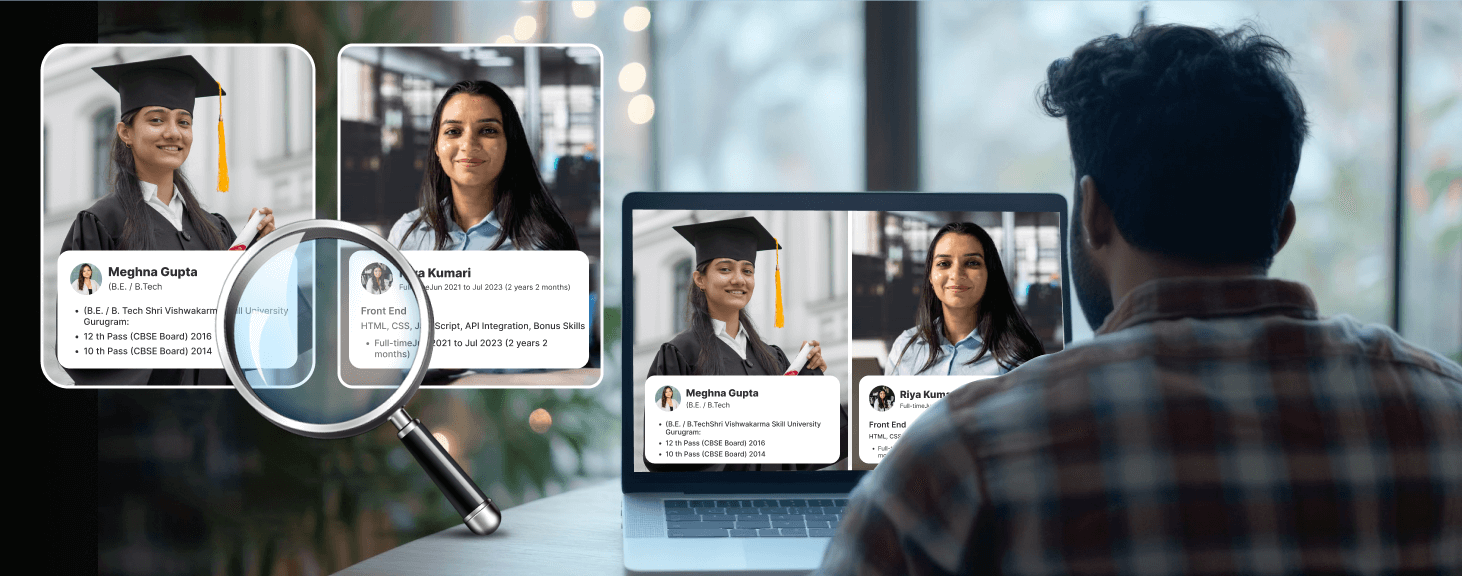
Skills vs. Degrees: What Employers Are Really Looking For
For years, job seekers believed that earning a degree was the ultimate ticket to career success. A strong academic background was considered the baseline requirement for most jobs. But the hiring landscape has changed drastically. Today, employers are no longer evaluating candidates only based on what they studied—they’re focusing on **what candidates can actually do**. Thanks to the global demand for talent, rapid technology adoption and the rise of AI-driven recruitment tools, **skills are now becoming the new currency of hiring**. Degrees still hold value, but they aren't the whole story anymore. So what matters most in 2025? And how can candidates position themselves better? Let’s break it down.
Read More
From Application to Offer: How Candidates Can Take Control of Their Journey in 2025
Landing a job in 2025 looks very different than it did just a few years ago. Artificial Intelligence (AI), digital hiring platforms, and evolving workplace expectations are reshaping the candidate experience. But while the process may feel overwhelming, the truth is this: candidates have more control over their journey than ever before. From crafting the right application to negotiating an offer, every step is an opportunity to stand out. Here’s how you can take control of your career journey from application to offer in an AI-driven world.
Read More
The Power of Continuous Learning: How Small Certifications Can Make a Big Impact
In today’s job market, learning doesn’t end with a degree. Employers are increasingly looking for candidates who show they can keep pace with change and one of the best ways to prove that is through continuous learning. The good news? You don’t need another four-year degree to impress recruiters. Small certifications and micro-credentials can make a big impact by showing adaptability, curiosity, and commitment to growth. In fact, these signals often make the difference between getting noticed or overlooked in an AI-driven hiring world.
Read More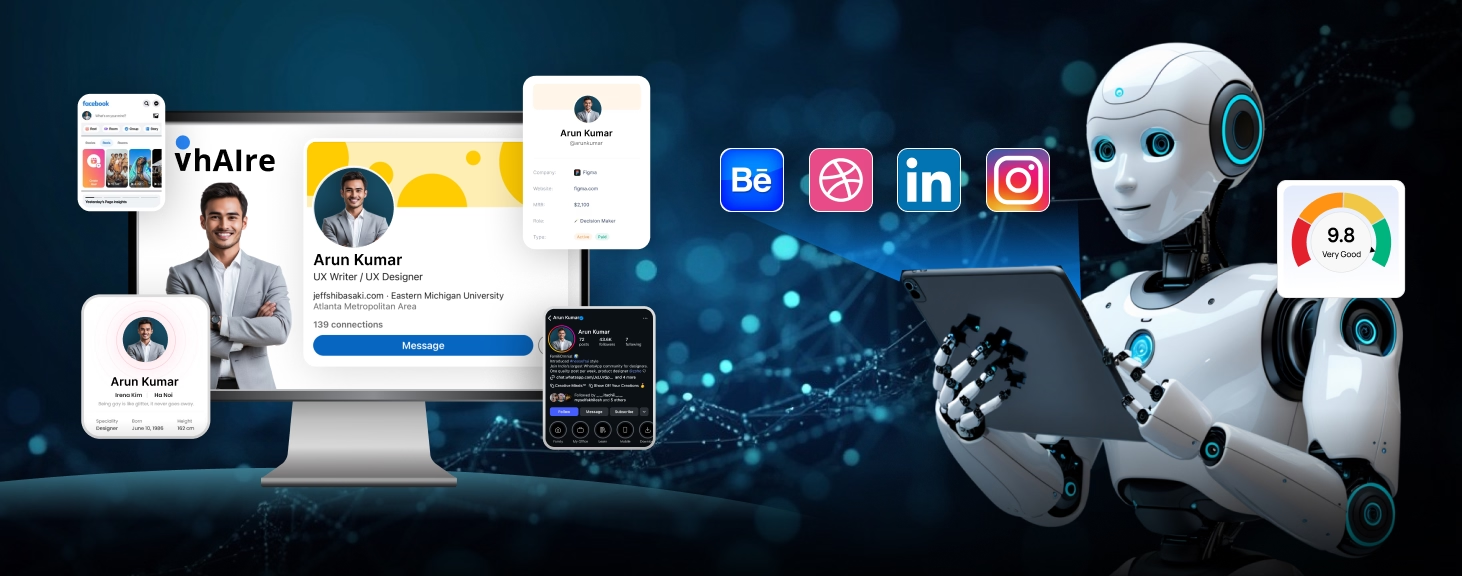
Your Digital Footprint Matters: What AI Recruiters See Before Meeting You
In today’s hiring landscape, your resume isn’t the only thing recruiters see. Before they ever speak to you, Artificial Intelligence (AI) systems and the recruiters who rely on them are already scanning your digital footprint. Your LinkedIn activity, online portfolios, certifications and even the way you present yourself on social platforms can all influence how you’re perceived. In fact, your digital presence has become your first impression often before you get a chance to speak for yourself. So what exactly do AI recruiters see—and how can you take control of the narrative?
Read More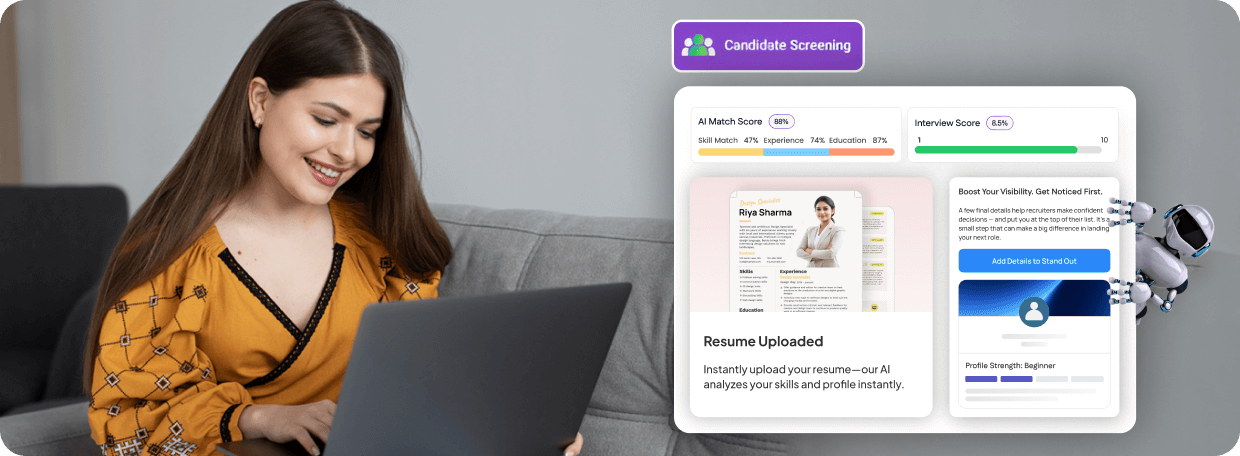
How AI Is Changing the Job Hunt—And How You Can Stay Ahead
Artificial Intelligence (AI) has revolutionized industries ranging from healthcare to finance—but one area where its impact is often underestimated is recruitment. For candidates, the hiring process now looks vastly different compared to even five years ago. From AI-driven resume screeners to predictive candidate matching and automated interview prep tools, AI is quietly shaping the job hunt at every stage. So, what does this mean for you as a candidate? And how can you adapt to not just survive—but thrive—in this AI-powered hiring era?
Read More